
Blow-In Insulation in the Mesa Area
Blown-in loose-fill insulation for Mesa-area attics and enclosed cavities where even coverage matters.
Blow-in insulation is a practical way to improve attic coverage in Mesa-area homes and light commercial buildings. Loose-fill fiberglass or cellulose is installed through a hose, allowing the material to settle around joists, wiring, duct runs, and tight corners where hand-fitted products often leave thin spots.
Advanced Spray Foam Insulation Mesa installs blown-in insulation across Mesa, Gilbert, Chandler, Tempe, Apache Junction, and Queen Creek. The right depth and material depend on what is already in the attic, how the attic is ventilated, and whether cleanup or air sealing belongs in the scope.
How Loose-Fill Installation Works
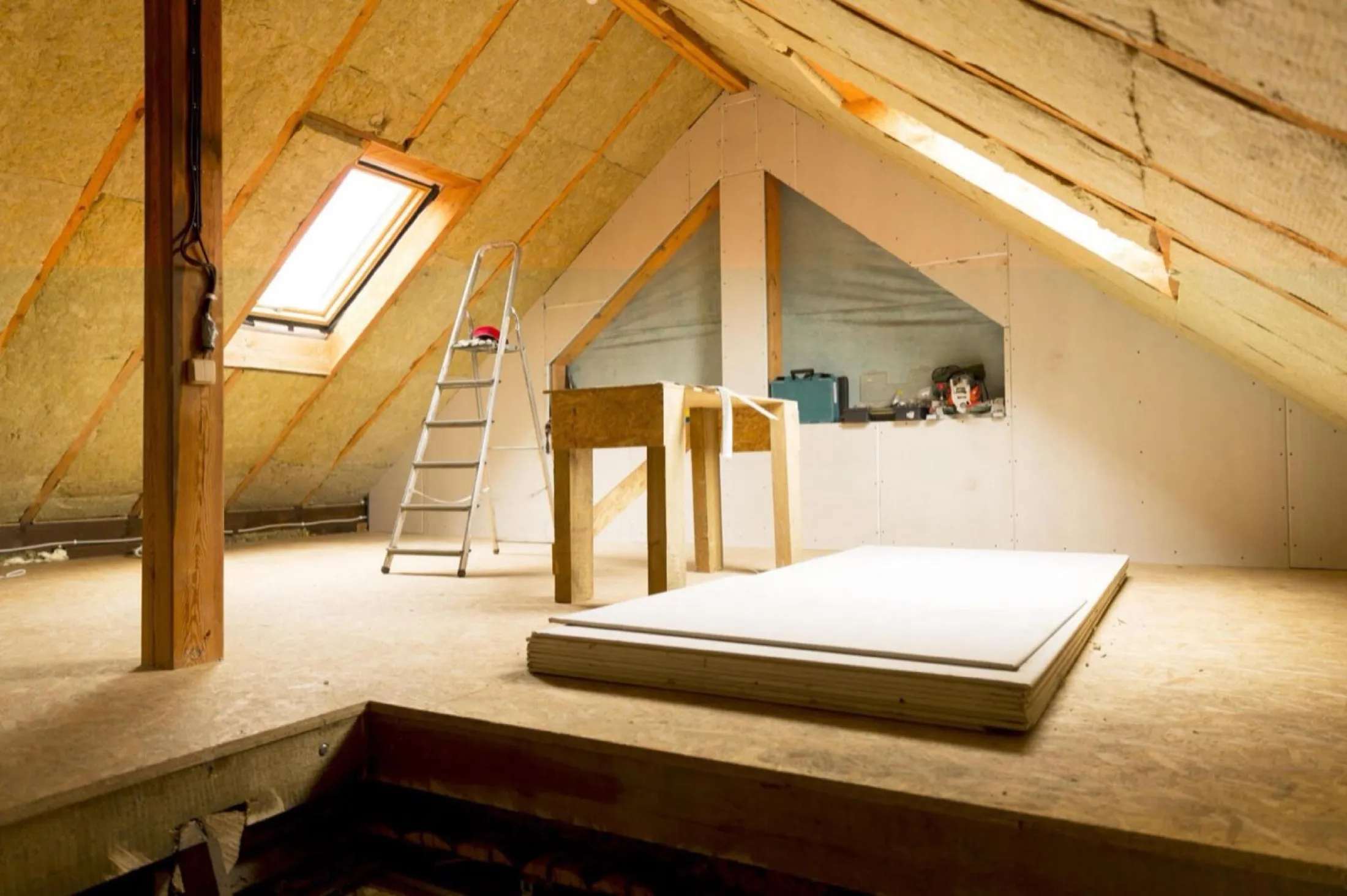
Compressed insulation is loaded into a blowing machine and fed through a hose to the attic or cavity. The installer distributes the material evenly, building coverage to the planned depth while working around framing, mechanical lines, and access points.
Because the material is loose, it does not have to be cut around every obstruction. That helps create a continuous blanket over an attic floor, including the uneven bays and edge areas that can be tedious to cover with batts.
Best Uses For Blow-In Insulation
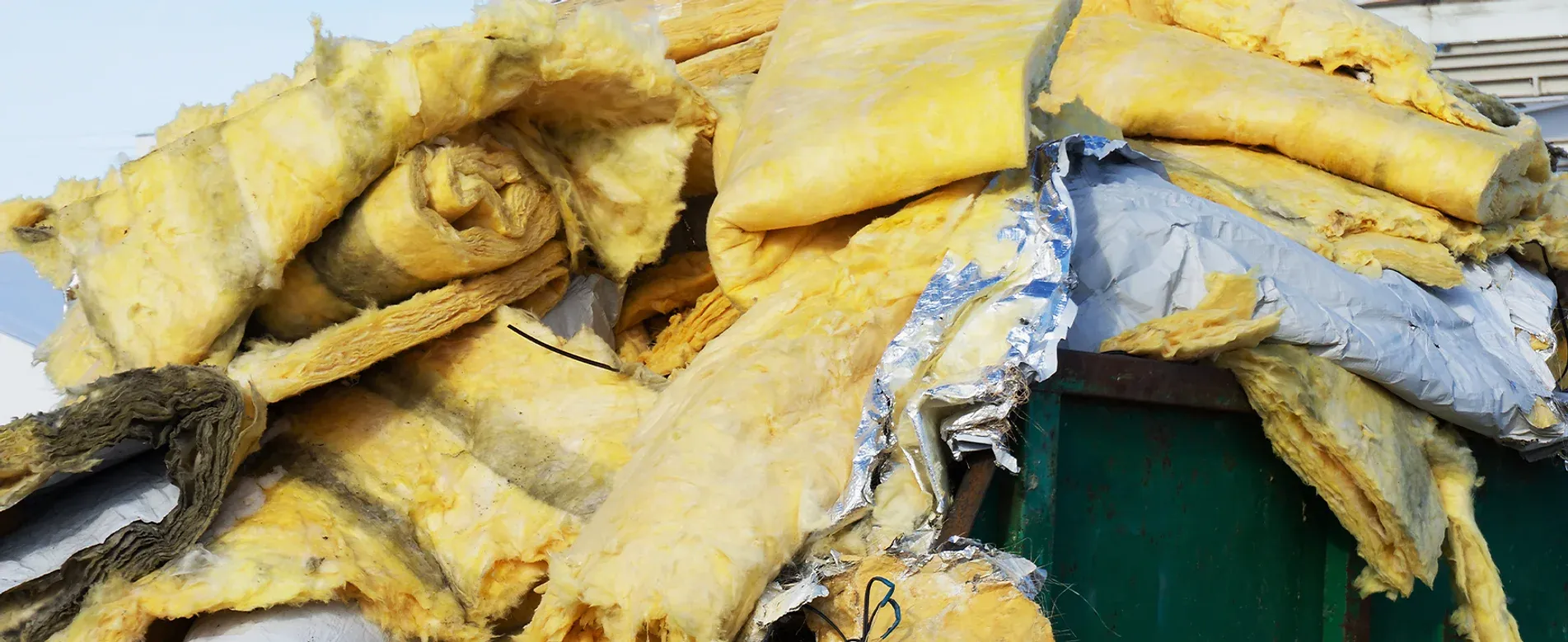
Blown-in material is most common on open attic floors where added depth matters more than a finished surface. It can also be used to refresh an attic where older insulation has settled, shifted, or been disturbed by prior work, as long as the existing material is dry and suitable to remain.
It can also fit certain enclosed cavities when access holes are appropriate for the assembly. For many properties, the attic is the most accessible place to improve coverage without opening walls or turning the project into a larger renovation.
Depth, Coverage, And Settling
Loose-fill performance is tied to installed depth and consistent coverage. Thin areas, wind-washed edges, blocked soffit zones, and piles that taper around obstructions can all reduce the value of the work, so the installer has to pay attention across the full attic floor.
Some materials settle over time, and that should be accounted for when the job is planned. A careful estimate should discuss current levels, target depth, ventilation needs, and whether the attic should be air sealed before new material covers the deck.
Blown-In Versus Batts
Batts work well in open framing that is regular and easy to access. Attics are rarely that clean. They usually contain wires, braces, pipes, ductwork, junction boxes, and odd framing changes that make every cut matter.
Blown-in insulation avoids much of that fitting problem because it flows around the obstacles. That coverage advantage is the main reason loose fill is often considered for attic top-offs and other irregular spaces where a roll or panel would be hard to place cleanly.
Blown-In Versus Spray Foam
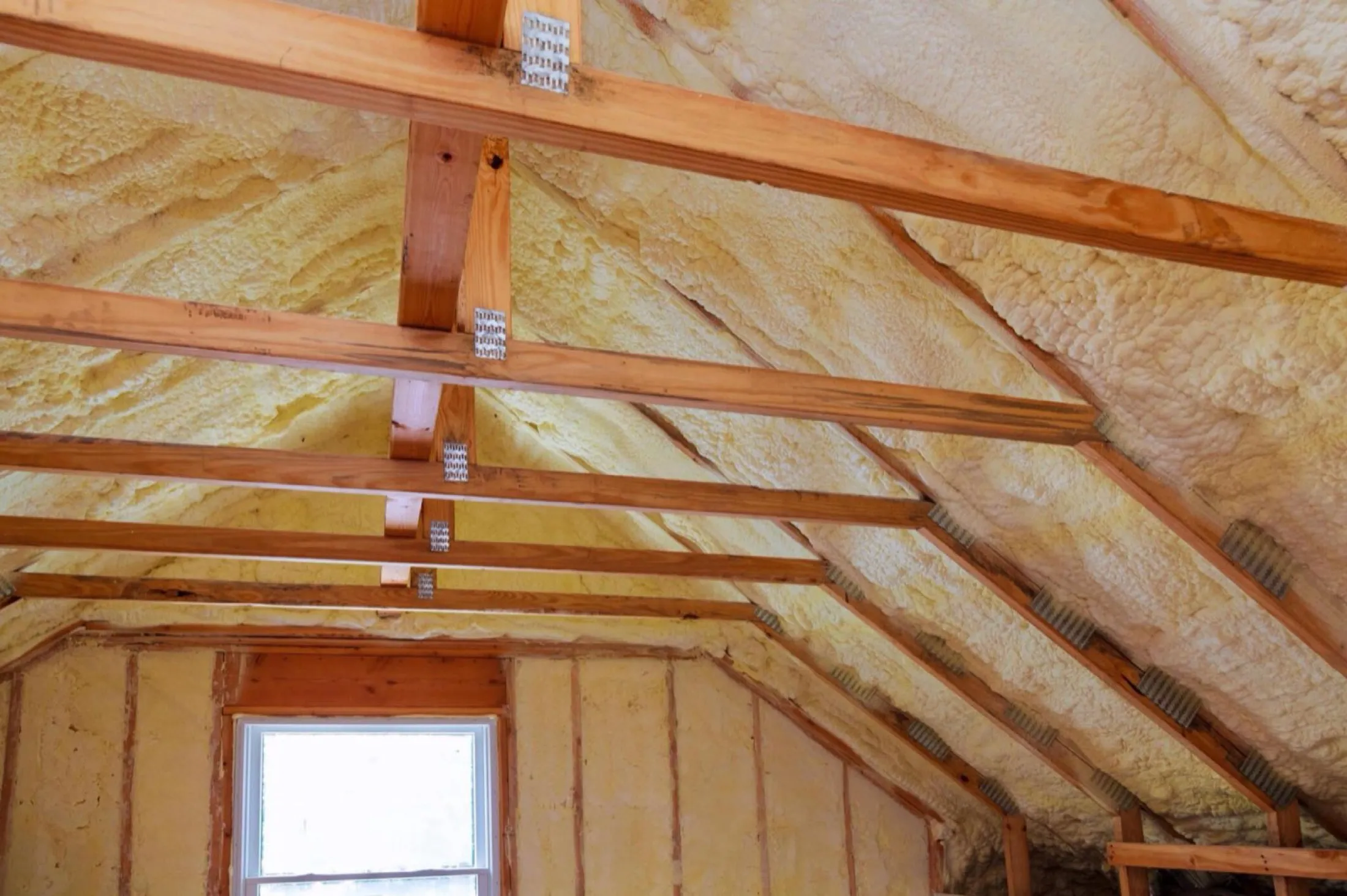
Blown-in insulation and spray foam answer different needs. Loose fill adds thermal resistance across a surface, most often the attic floor, but it does not create an air barrier by itself. Air sealing may need to be handled before the insulation layer is increased.
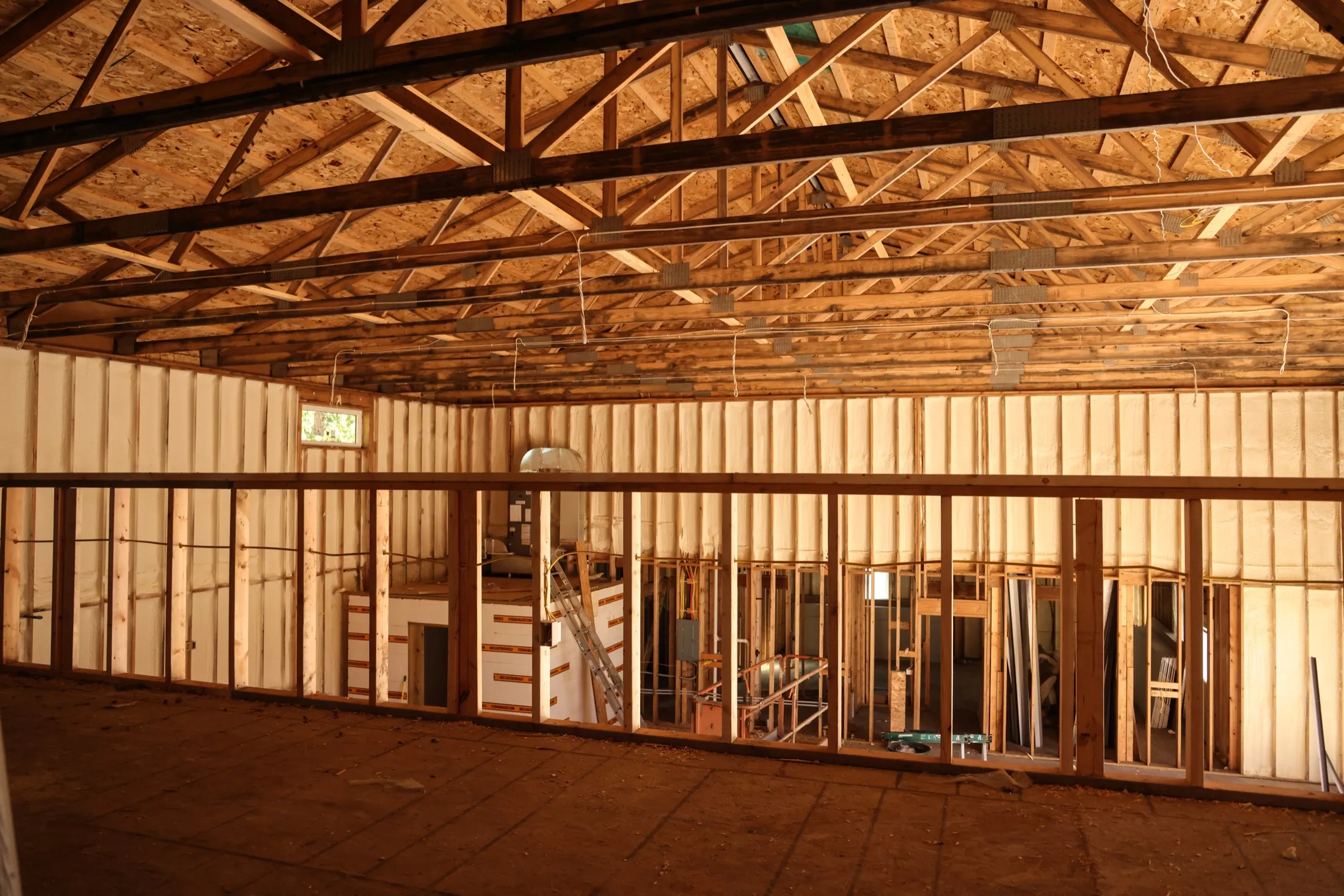
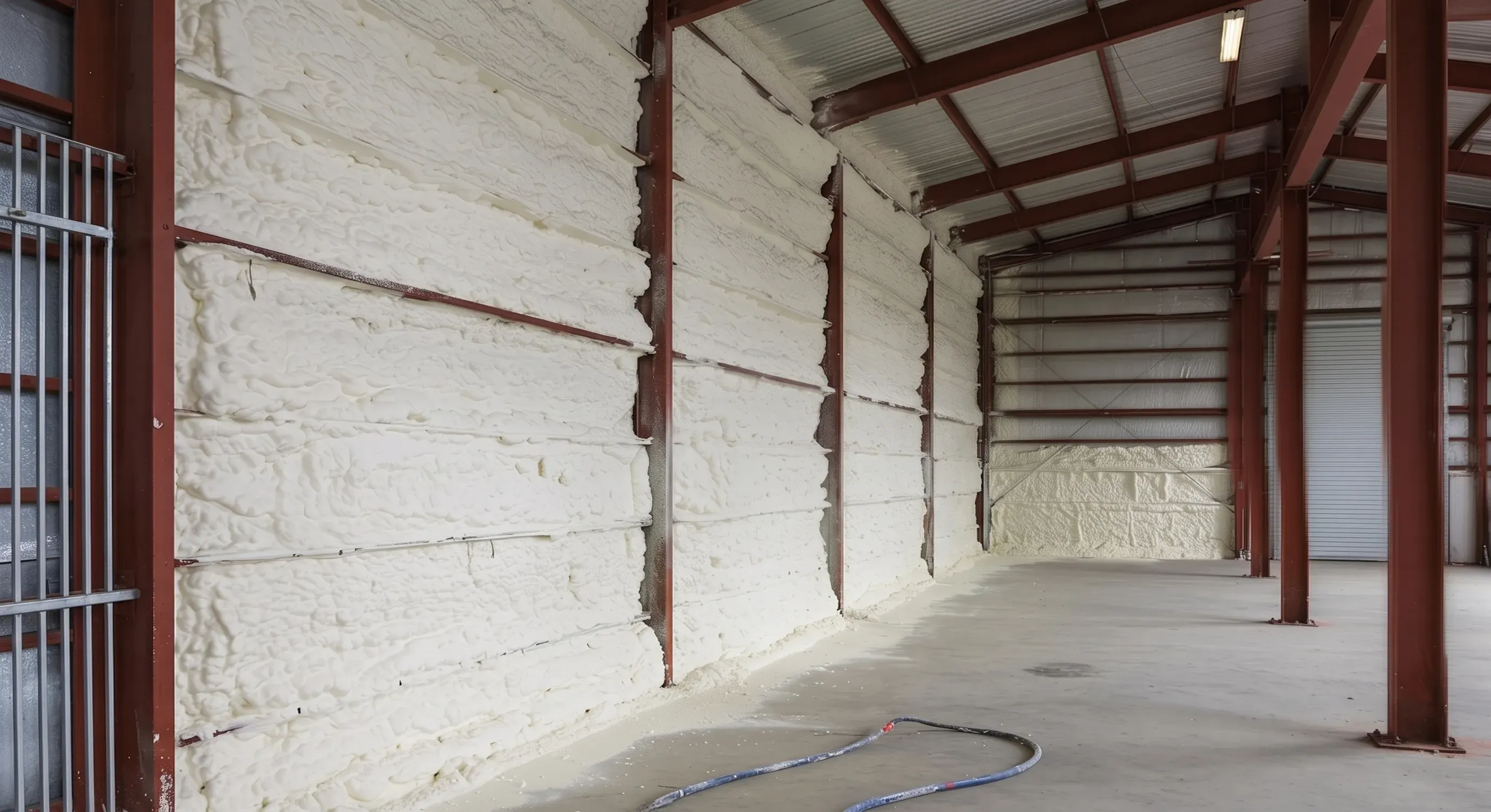
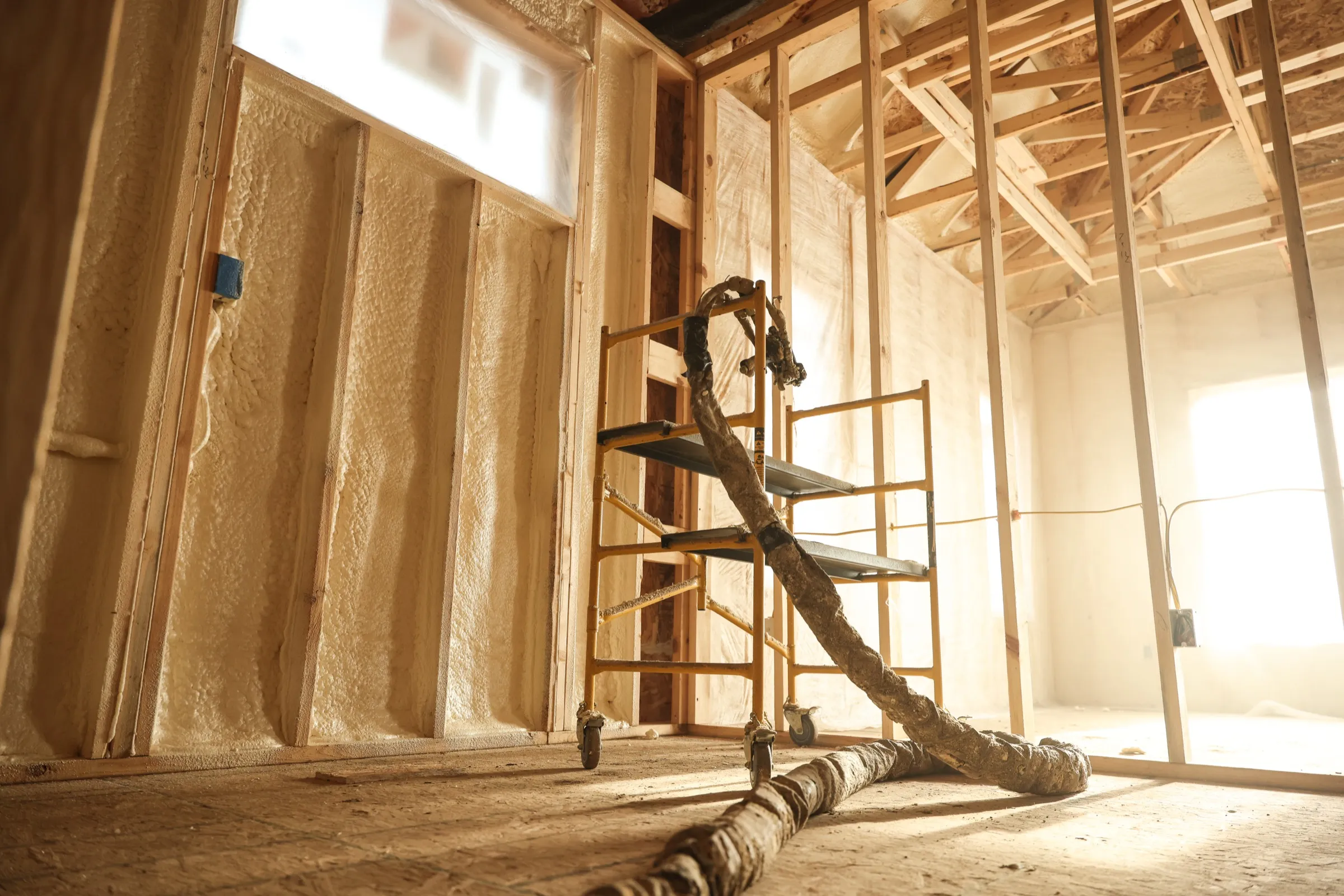
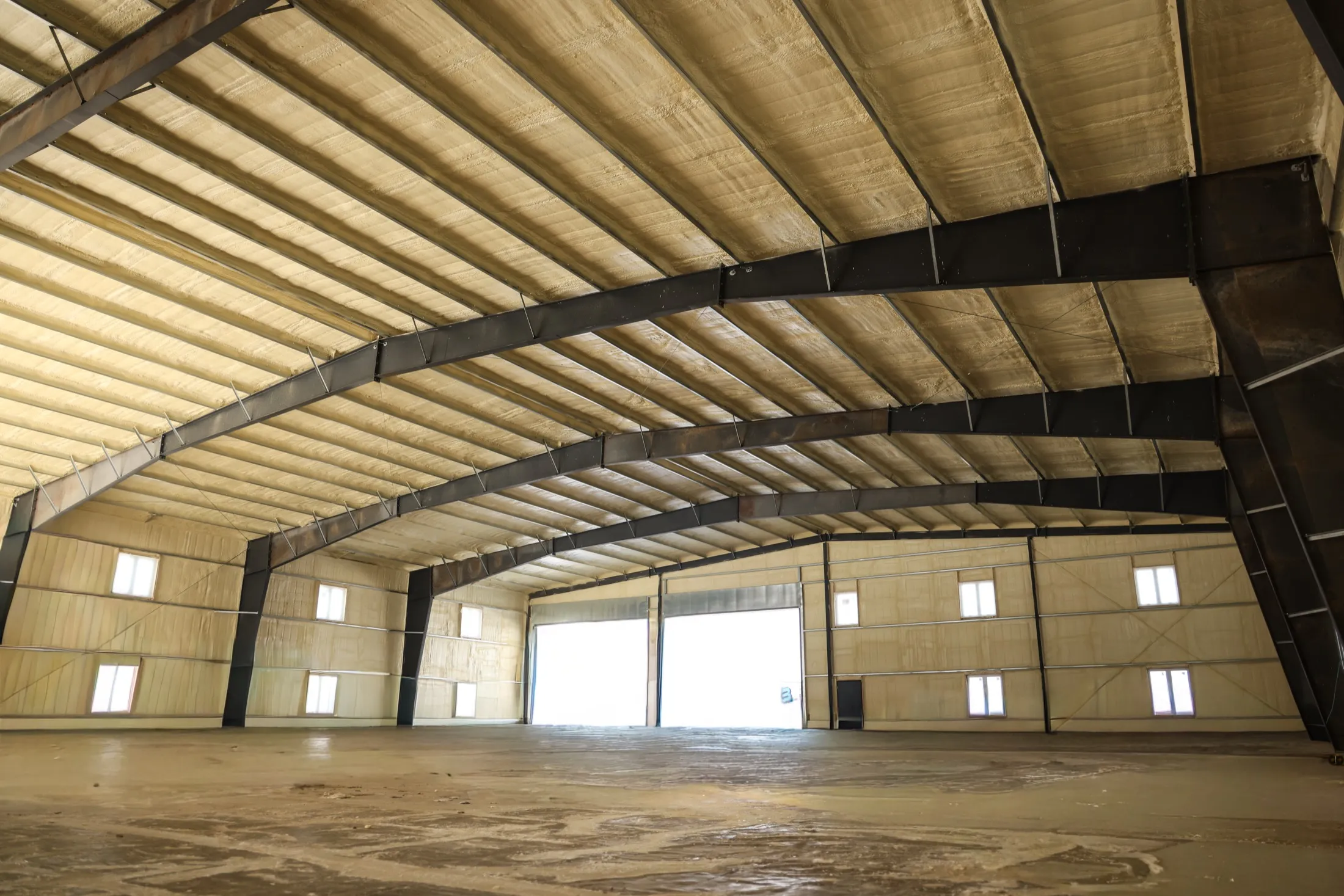
Spray foam can insulate and air seal in one application, which makes it better suited for many rooflines, rim areas, metal buildings, and awkward transitions. Blow-in insulation is often a practical option for an attic that needs more depth and has no contamination or moisture issue.
What A Free Estimate Covers
A free estimate can look at attic access, existing insulation depth, signs of damage, ventilation, target coverage, and whether fiberglass or cellulose makes sense for the space. It can also flag conditions that should be handled before new material is added.
You can discuss comfort issues, hot rooms, older attic insulation, or whether spray foam would be a better match for the building. The goal is a scope based on conditions in the attic, not a square-foot guess detached from the assembly.
Spray Foam in Action

Other Spray Foam Services
Want to Know What Your Project Would Cost?
Tell us about the property and we'll help you determine the next step.
Free Estimates • Residential & Commercial • Mesa-Area Service