
Spray Foam Insulation in the Mesa Area
Professional spray foam insulation for Mesa-area homes, additions, garages, metal buildings and commercial properties.
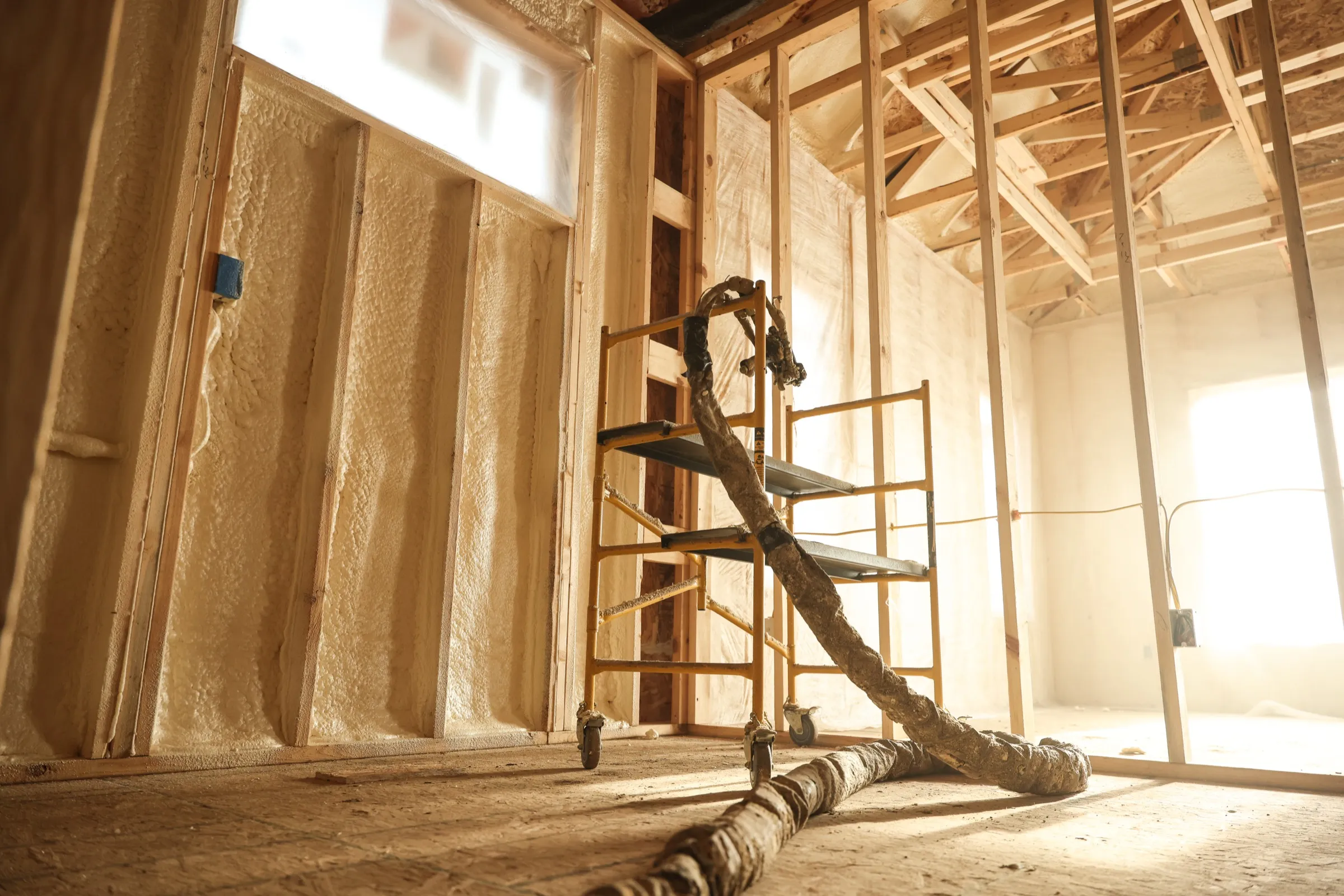
Spray foam insulation is useful in Mesa-area buildings because it deals with two common desert problems at once: heat moving through assemblies and air leaking through small openings. When the foam is applied correctly, it expands against framing, decking, penetrations, and odd-shaped cavities that are difficult to cover neatly with cut-to-fit materials.
Advanced Spray Foam Insulation Mesa works on residential and commercial projects across Mesa, Gilbert, Chandler, Tempe, Apache Junction, and Queen Creek. The right recommendation depends on the space, the substrate, access, ventilation, and how the room or building will actually be used.
Open-Cell And Closed-Cell Foam
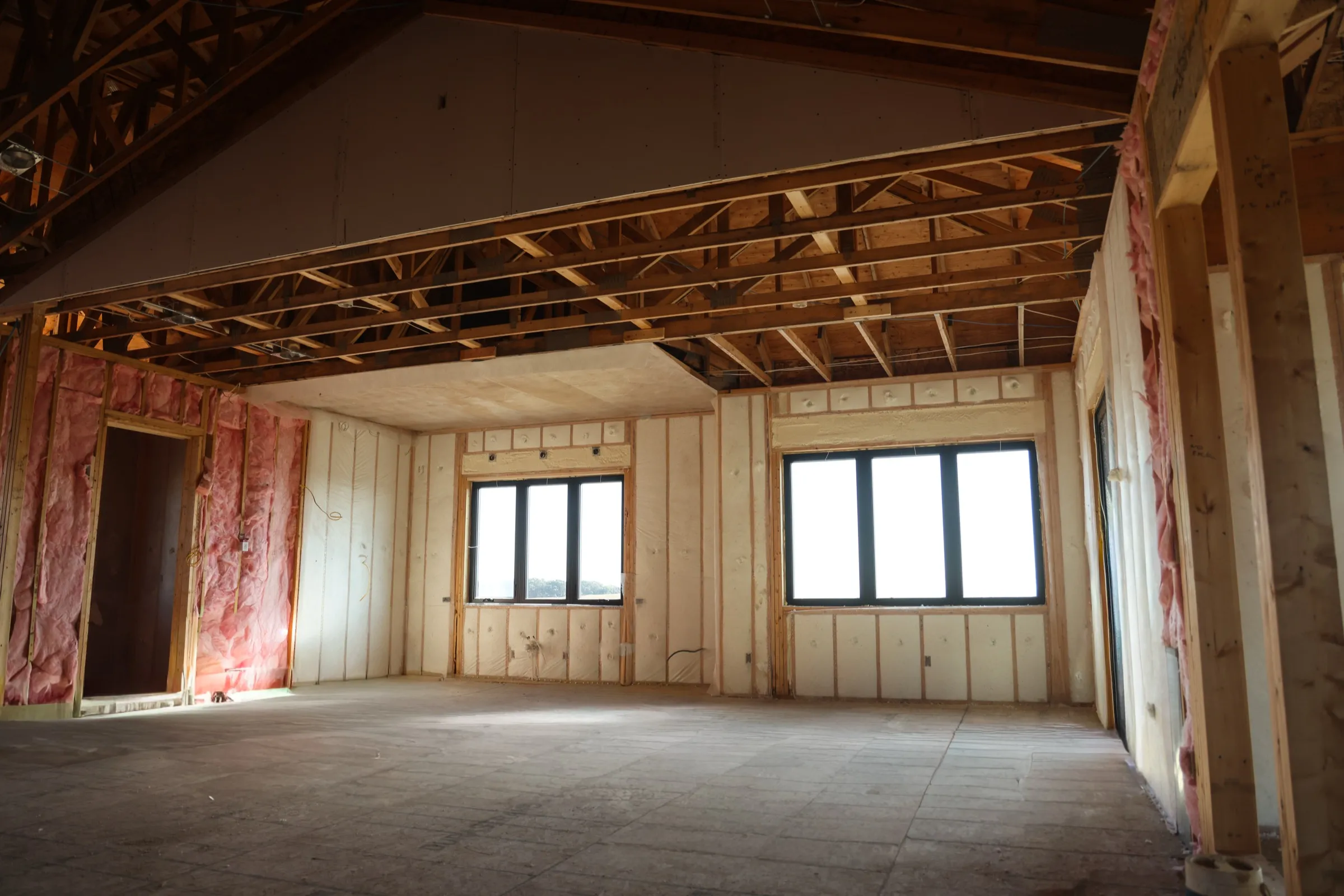
Open-cell foam is lighter, expands broadly, and can be a good fit for many interior cavities, roofline areas, and sound-sensitive assemblies. It is often considered where cavity fill, flexibility, and air sealing are more important than packing the highest possible R-value into limited depth.
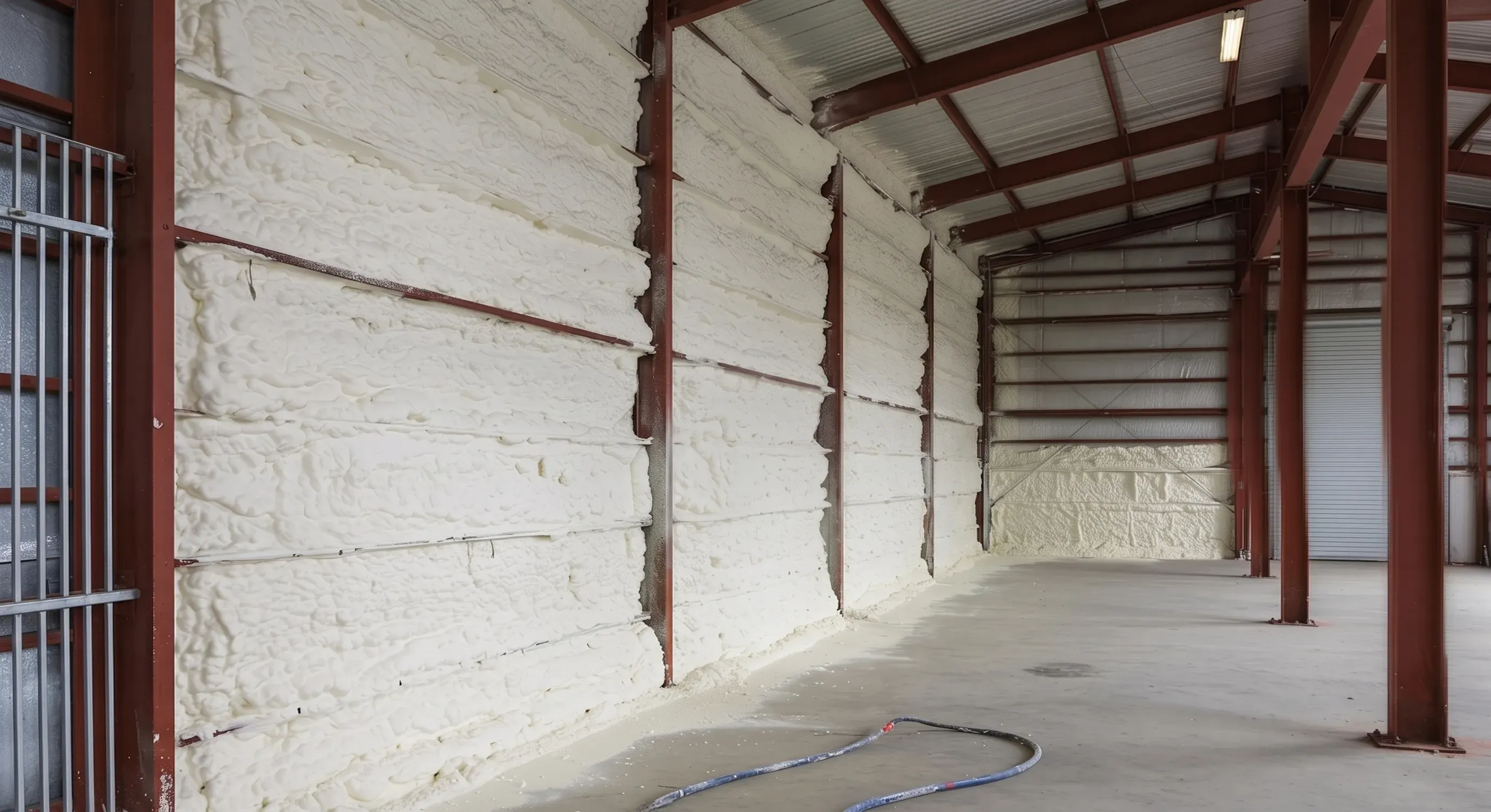
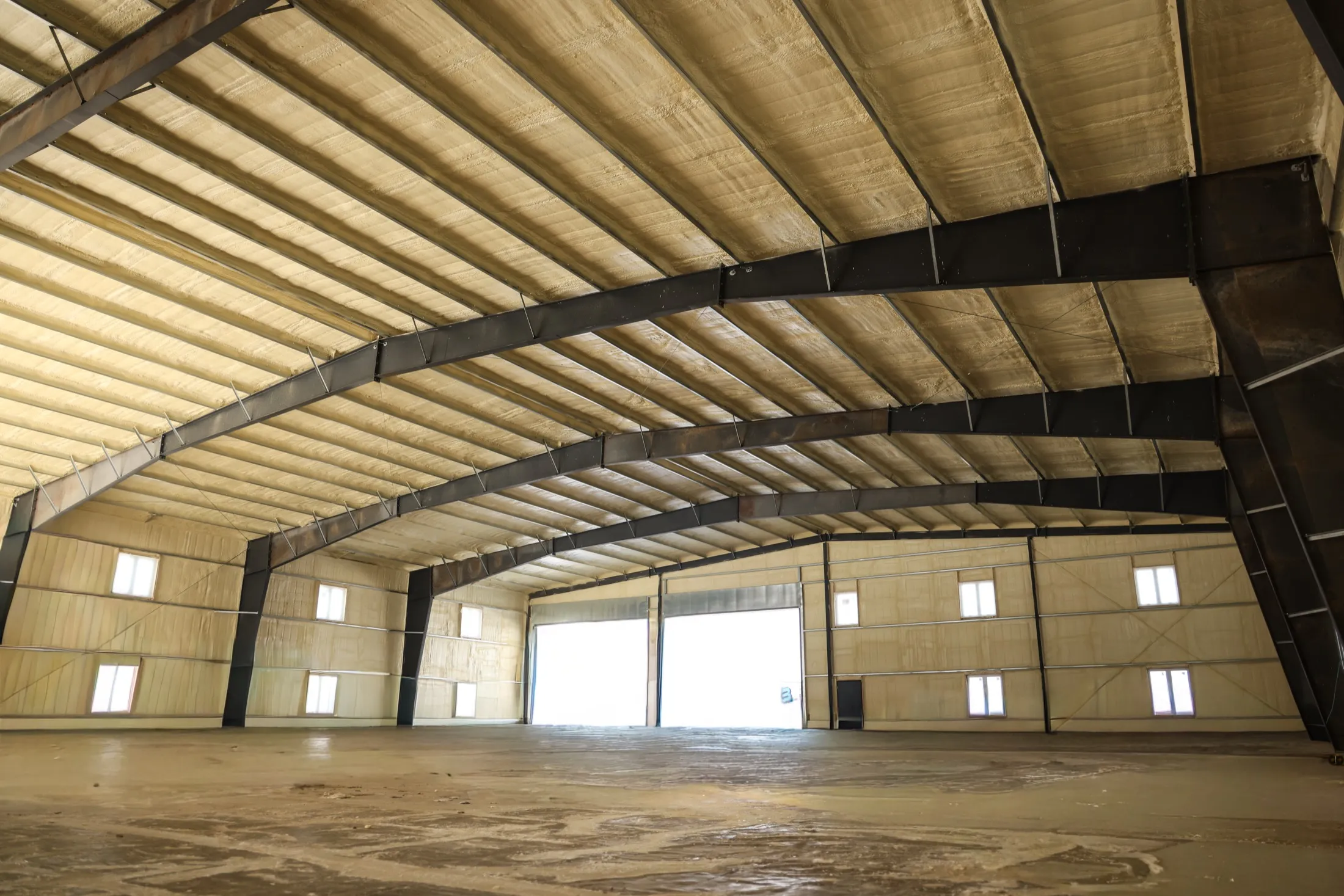
Closed-cell foam is denser and more rigid. It is commonly evaluated for metal buildings, tight assemblies, exterior-facing surfaces, and areas where moisture behavior or available depth changes the decision. Choosing between the two is a building-specific call, not a one-product answer.
Where Foam Can Be Useful
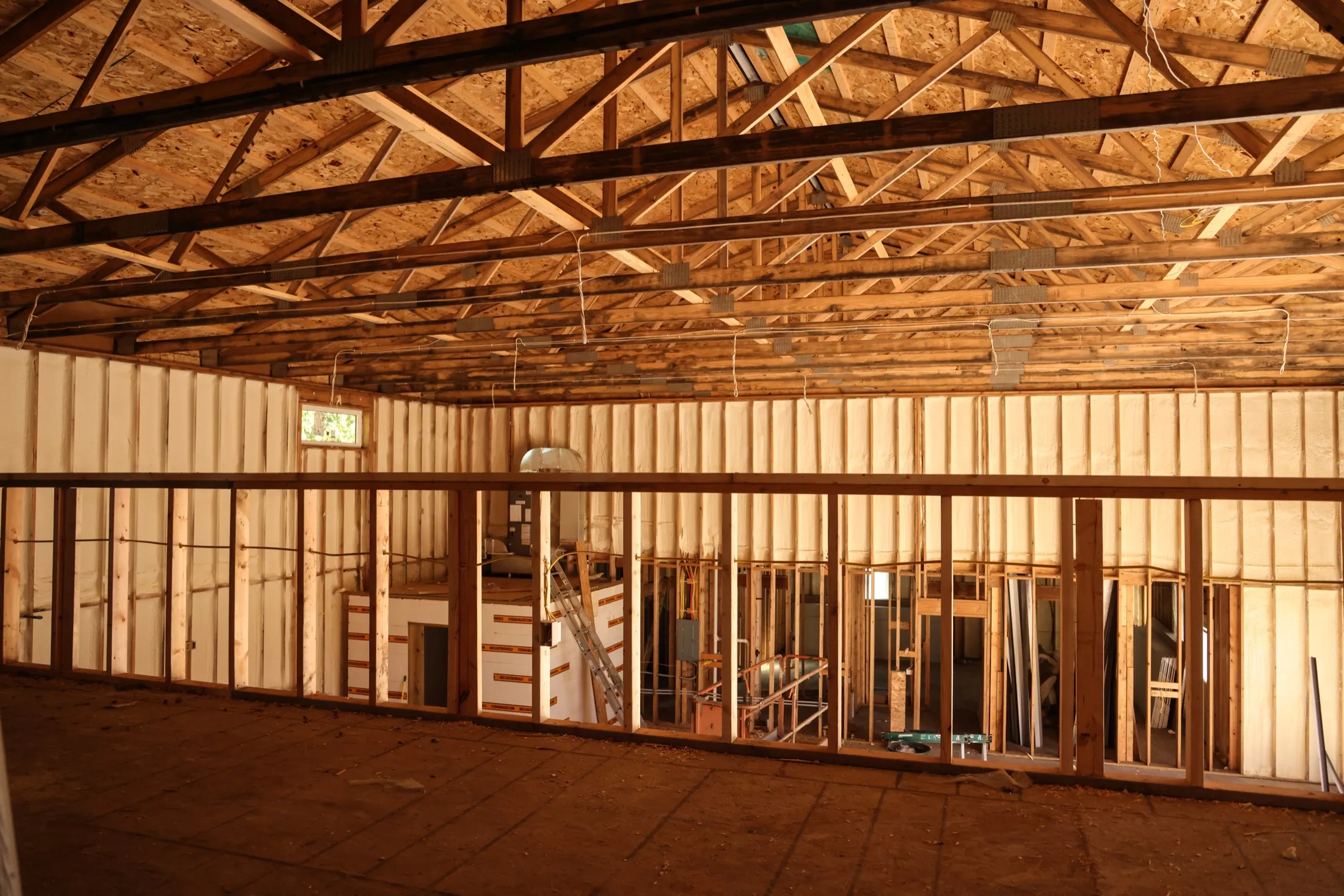
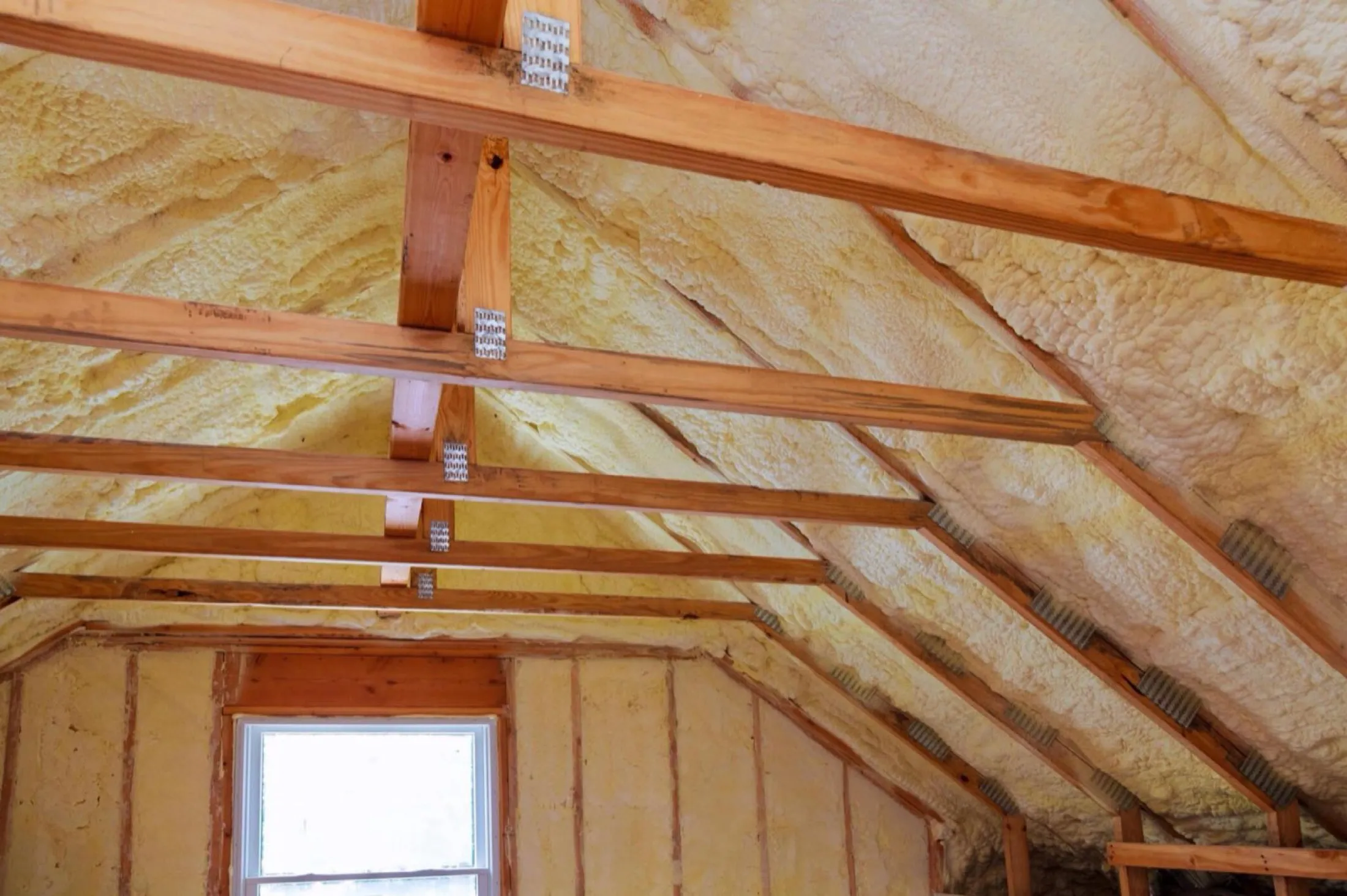
Spray foam is often used in attics, roof decks, exterior walls, garages, additions, casitas, workshops, storage rooms, tenant improvements, and metal structures. It is especially helpful where framing changes direction, ducts pass through unconditioned space, or a traditional insulation layer would leave gaps around obstructions.
For homes, the goal is usually a more controlled envelope and fewer uncomfortable rooms. For commercial and utility buildings, the goal may be separating conditioned and unconditioned space, protecting stored materials, or making a shop or work area easier to occupy during hot months.
Air Leakage Is Part Of The Heat Problem
In a Valley building, the insulation layer is only part of the story. Hot air can move through ceiling penetrations, top plates, chaseways, attic hatches, knee walls, garage connections, and roofline transitions. Those small paths can make one room feel different from the next even when the attic already has insulation.
Spray foam can reduce that uncontrolled air movement while adding insulation. A tighter assembly gives the cooling system a steadier environment to work in and can make the interior feel less affected by attic heat, dusty drafts, and afternoon temperature swings.
Comfort, Sound, And Dust Control
A foam project is not only about temperature. Open-cell foam can help soften airborne sound in selected walls or ceilings, while closed-cell foam can add a compact, dense layer where space is limited. The best fit depends on whether the concern is heat, sound, air movement, or a mix of issues.
No insulation product makes a building silent or sealed from every condition outside. Still, careful foam placement can make living areas, home offices, garages, and light commercial spaces feel more settled because fewer gaps are left for air and dust to travel through.
How Installation Is Planned
A spray foam scope starts with access and prep. The crew reviews the target assembly, clears or protects nearby surfaces, notes vents and mechanical details, and plans the work area so the foam can be applied in controlled passes. Surface condition matters because adhesion and coverage depend on the assembly being ready.
After spraying, the area is checked for coverage, transitions, and cleanup needs. Some projects also involve coordination with drywall, electrical, HVAC, roofing, or other trades, especially when the work is part of a remodel, addition, or commercial buildout.
What A Free Estimate Covers
A free estimate is a practical review of the project area. It can cover the building type, application surface, access constraints, ventilation questions, open-cell versus closed-cell options, and whether foam is the right tool for the conditions in front of us.
You can talk through goals such as comfort in a problem room, attic heat control, sound reduction, a garage conversion, or insulating a metal building. The outcome should be a clear scope that matches the building instead of a generic recommendation.
Spray Foam in Action

Other Spray Foam Services

Want to Know What Your Project Would Cost?
Tell us about the property and we'll help you determine the next step.
Free Estimates • Residential & Commercial • Mesa-Area Service